Yoga
Home / Yoga
Maharshi Patanjali who was a great Yogi, Sanskrit Grammarian, and Ayurvedic Physician belived to be lived around 5000 years ago codified the concepts of Yoga which were scattered in Vedas, Upanisads etc. and made it as a systematic approach called ‘Yoga Sutras’. Patanjala Yoga Sutra is the most authoritative ancient scripture on Yoga known as the classical text on Yoga, popularly known as “Astanga Yoga”. It is one of the systems of the six Indian philosophies known as Shad Darshana. Patanjali established Yoga as a practical discipline systematically emphasizing its eight important limbs known as Astanga Yoga. This resulted in removing the element of mysticism that had so far prevailed as an essential characteristic of Yoga. It describes the nature of the mind and ways to control its restlessness. The culmination of Yoga Sutra is Samadhi or realizing the universal Self within everyone.
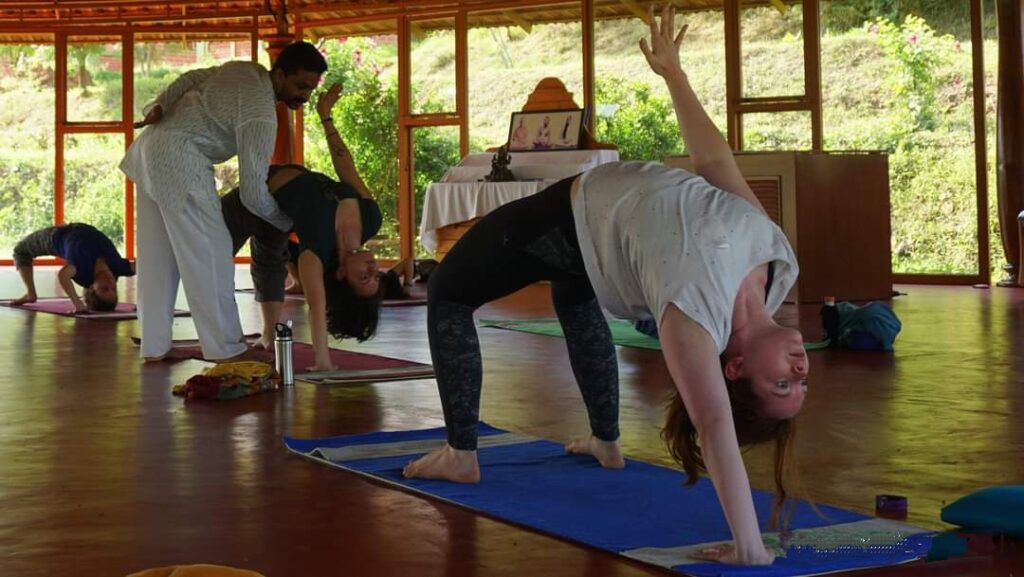
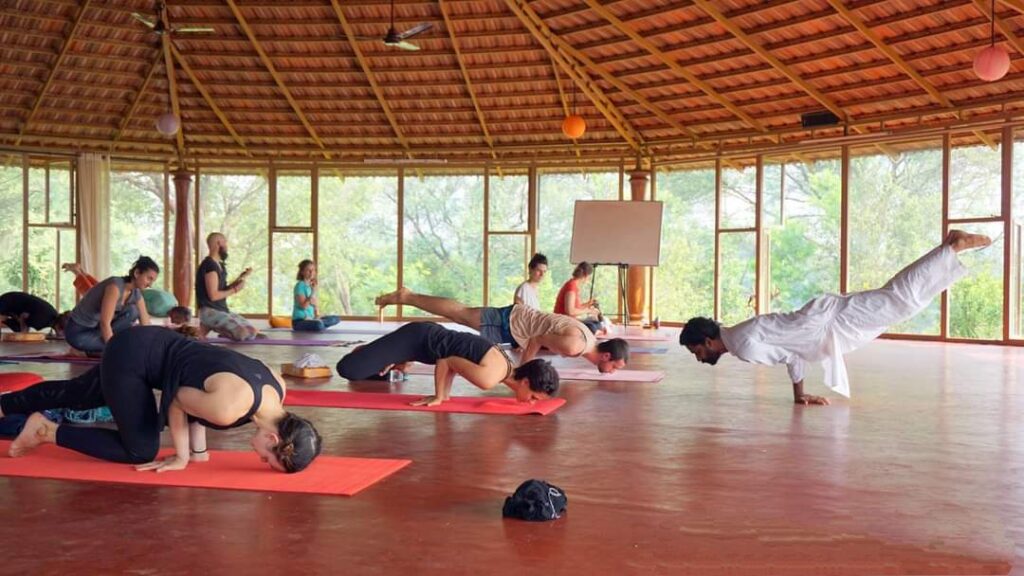
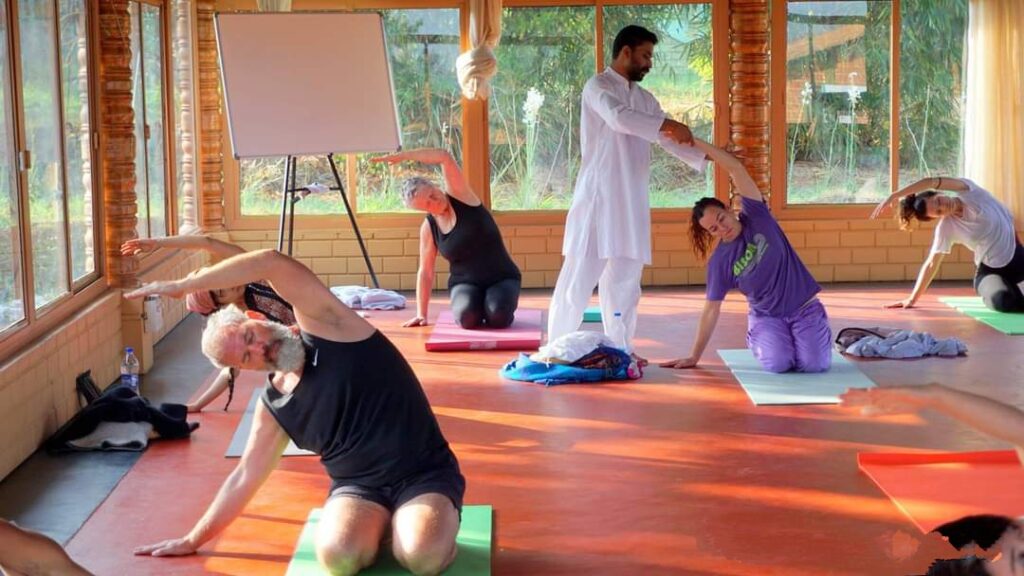
Hatha Yoga texts emphasis that controlling the mind is difficult unless the physical body is cleansed and disciplined by the practice of shadkarmas, asanas, mudras and bandhas, and hence, it does not emphasis to practice Yama and Niyama first as in Yoga sutra, which made Hatha Yoga extremely popular in the modern times. The Yoga discipline even today provides practical as well as philosophical teachings to the people all over the world irrespective of religion, caste, creed and colour and that itself is the greatest proof of its broad appeal and universality. It has also become an academic discipline. So Yoga is a universal system of practice to keep the body and mind healthy. Hatha Yoga discusses the right methods of cleansing the body through shadkarmas, the right diet through the concept of mithahara, the right exercises through asanas and mudras to discipline the body, the right breathing techniques through the combined activities of pranayama, mudras and bandhas to control the mental fluctuations, prathyahara, dharana ,dhyana and samadhi practices for expansion of consciousness for Self realization.
Bhakti yoga, Karma yoga, Raja yoga and Jnana yoga are the important paths of yoga. Though they are different paths their aim is self realization. Bhakti Yoga teaches a person to have devotion and surrender to the Supreme being. Bhakti yoga means intense love to mother, father, guru and the people of the whole universe and to God. Practice of Bhakti yoga develops universal love, annihilates egoism builds up aspiration develops renunciation and culminates in Self realization.
Karma Yoga (The Yoga of selfless action) is action or service without expecting any fruit or reward. It is egoless and selfless work. Karma Yoga is social service. It develops healthy social interactions. Its aim is to bring integration, harmony and union through action. Every living being do karma in the universe. But only the human beings can convert his or her karma into karma Yoga.
Raja Yoga (he Yoga of mental discipline) includes the practices of Astanga Yoga, Mantra Yoga and Laya Yoga. The objective of Raja Yoga is to control all forms of thought-waves and mental modifications to reach in the state of samadhi. Practice of Raja Yoga helps to cultivate virtues and values in the personality and to eliminate negative thoughts and makes the practitioner fit for self realization.
Jnana Yoga (The Yoga of knowledge) is meant for highly intellectual people and not for common people. Its aim is to discriminate what is real and what is unreal. Brahman or the supreme consciousness which is not subject to change is alone real and all the things other than Brahman which are subject to change are unreal is the theme of Jnana Yoga. It is the realization of a man’s own divinity through knowledge.
Our Trust never want to deviate from the traditional concepts of Yoga for materials gains. Sri Aurobindo, the father of Integral Yoga Psychology, has considered education, insufficient without Yoga, or the complete education needs the help of Yoga. Hence we would like to teach the true spirit of Yoga for overall wellbeing and to transform the ego consciousness into soul consciousness for spiritual development to create an ideal community.